July 6, 2026
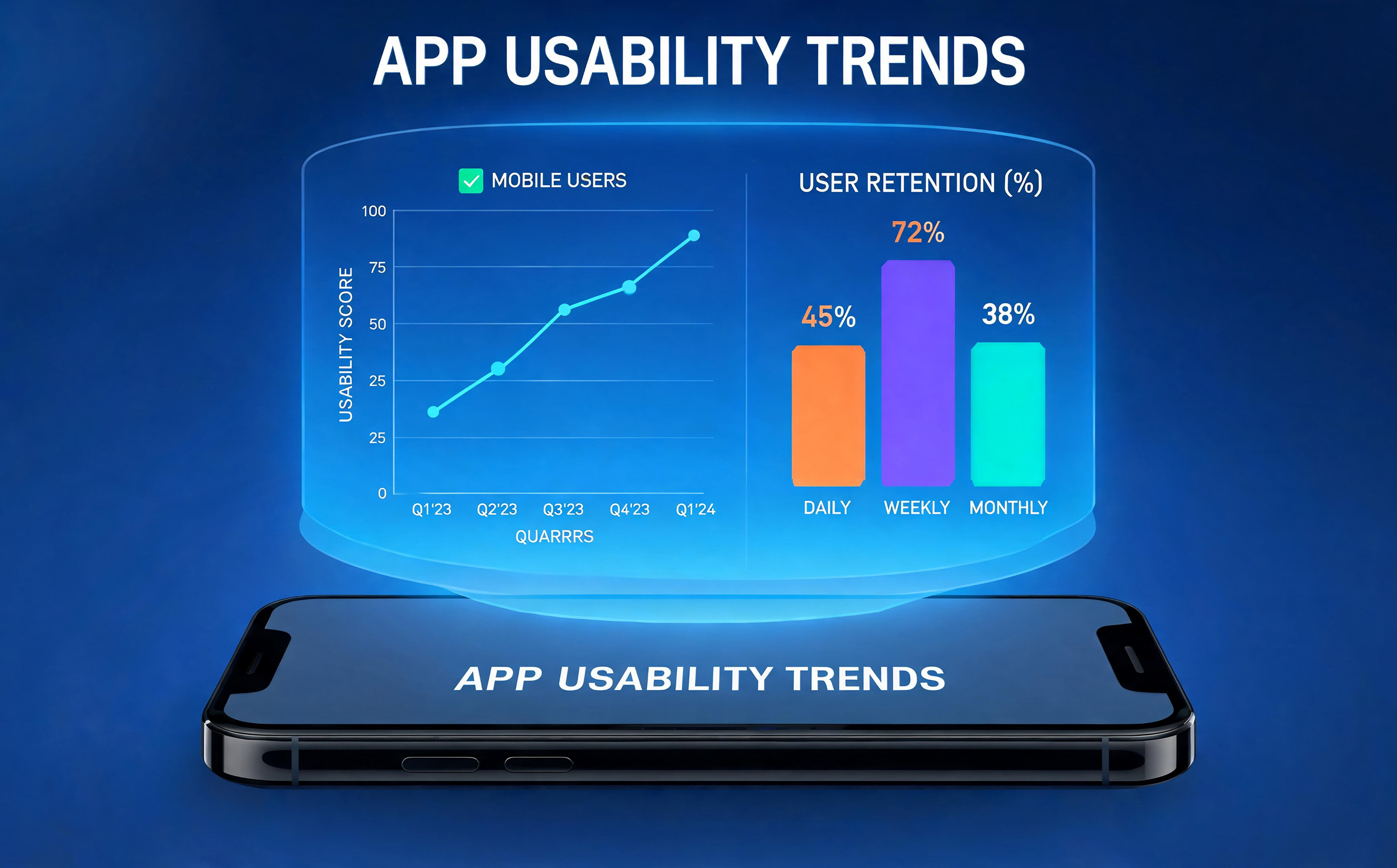
Mobile devices have become the primary gateway to digital experiences. From banking and shopping to communication and entertainment, users increasingly expect seamless interactions across mobile applications and websites.
As technology evolves, user expectations continue to rise. Speed, simplicity, personalization, and accessibility are no longer competitive advantages—they are baseline requirements. Organizations that fail to meet these expectations risk losing users to competitors who offer more intuitive experiences.
This research article examines emerging mobile UX trends, evolving user behaviors, and the key design principles shaping successful mobile products today.
The way users interact with mobile devices has changed significantly over the last decade.
Slow loading times
Complex navigation
Limited functionality
Basic interfaces
Immediate access to information
Smooth interactions
Personalized recommendations
Cross-device consistency
Frictionless experiences
Despite advances in mobile design, many products continue to struggle with:
Overloaded Interfaces
Too many features can overwhelm users.
Poor Onboarding
Complicated onboarding processes increase drop-off rates.
Inconsistent Design Patterns
Lack of consistency creates confusion.
Performance Issues
Slow loading remains a major source of frustration.
Accessibility Gaps
Many products still fail to meet accessibility expectations.
This shift dramatically improved consistency and reduced repetitive work.

Mobile UX is no longer just about usability—it's about creating experiences that feel effortless, intelligent, and valuable. Today's users expect products that are fast, intuitive, personalized, and accessible.
Organizations that understand evolving user expectations can create products that not only satisfy users but also build long-term loyalty and engagement.
As mobile technology continues to advance, the most successful products will be those that remain focused on one principle above all else:Making life easier for users.