July 6, 2026
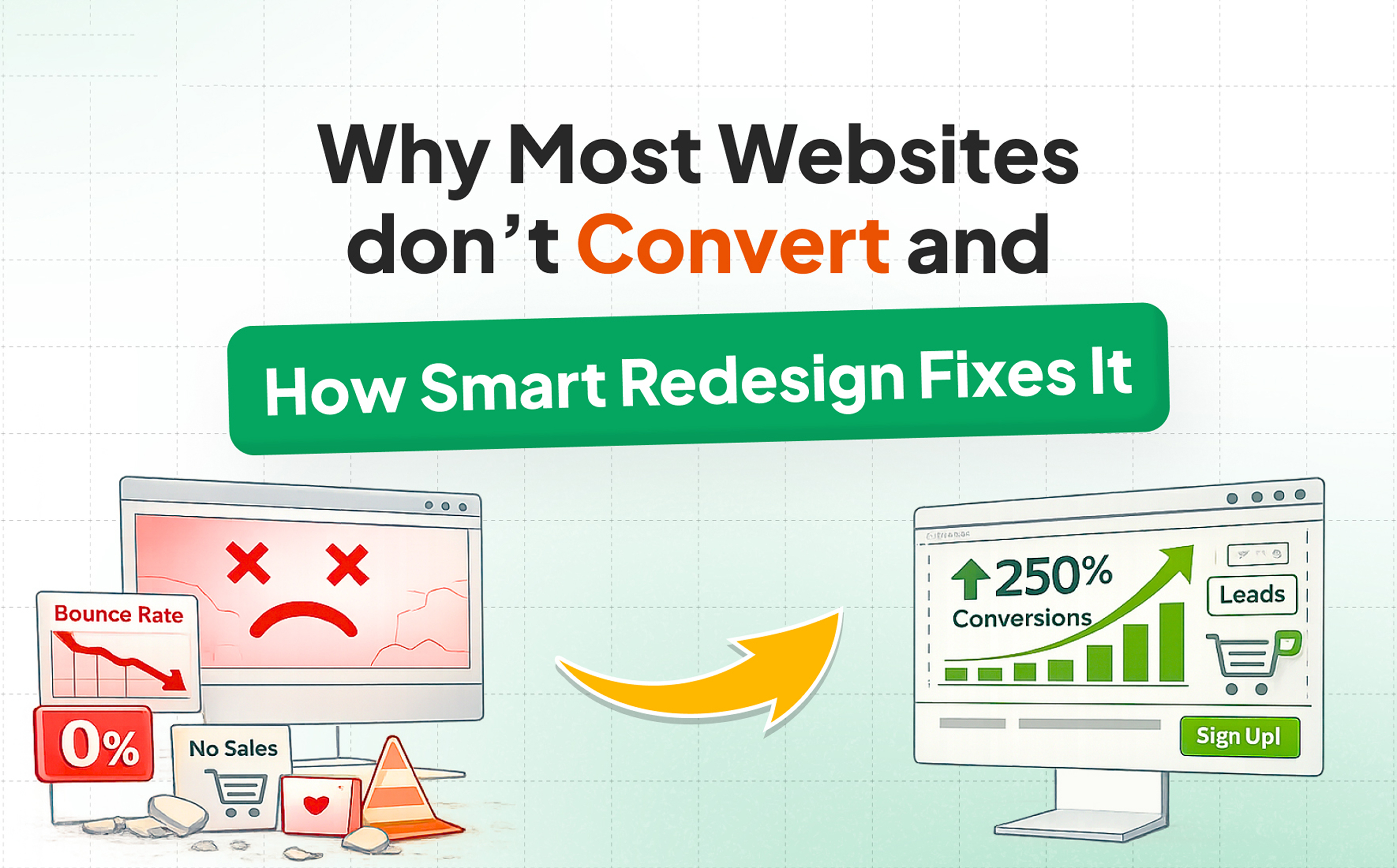
Many startups invest significant resources into marketing, branding, and product development, yet struggle to convert website visitors into customers. While traffic generation is often prioritized, conversion optimization is frequently overlooked.
A website's primary objective is not simply to attract visitors—it is to guide users toward meaningful actions such as signing up, requesting a demo, making a purchase, or contacting the business.
This article examines the most common reasons startup websites fail to convert, explores the underlying UX and messaging challenges, and provides actionable recommendations for improving conversion performance.
A conversion occurs when a visitor completes a desired action.
Contact form submissions
Consultation bookings
Demo requests
Free trial registrations
Account creation
Product onboarding
Purchases
Subscription sign-ups
Service inquiries
Every page should be designed with a clear conversion objective in mind.
Several emerging trends are shaping conversion strategies.
AI-Powered Personalization
Content tailored to individual users.
Predictive Experiences
Products anticipating user needs.
Interactive Content
Engaging users through dynamic experiences.
Behavioral Analytics
Deeper insights into user behavior.
Micro-Conversions
Tracking smaller actions before major commitments.

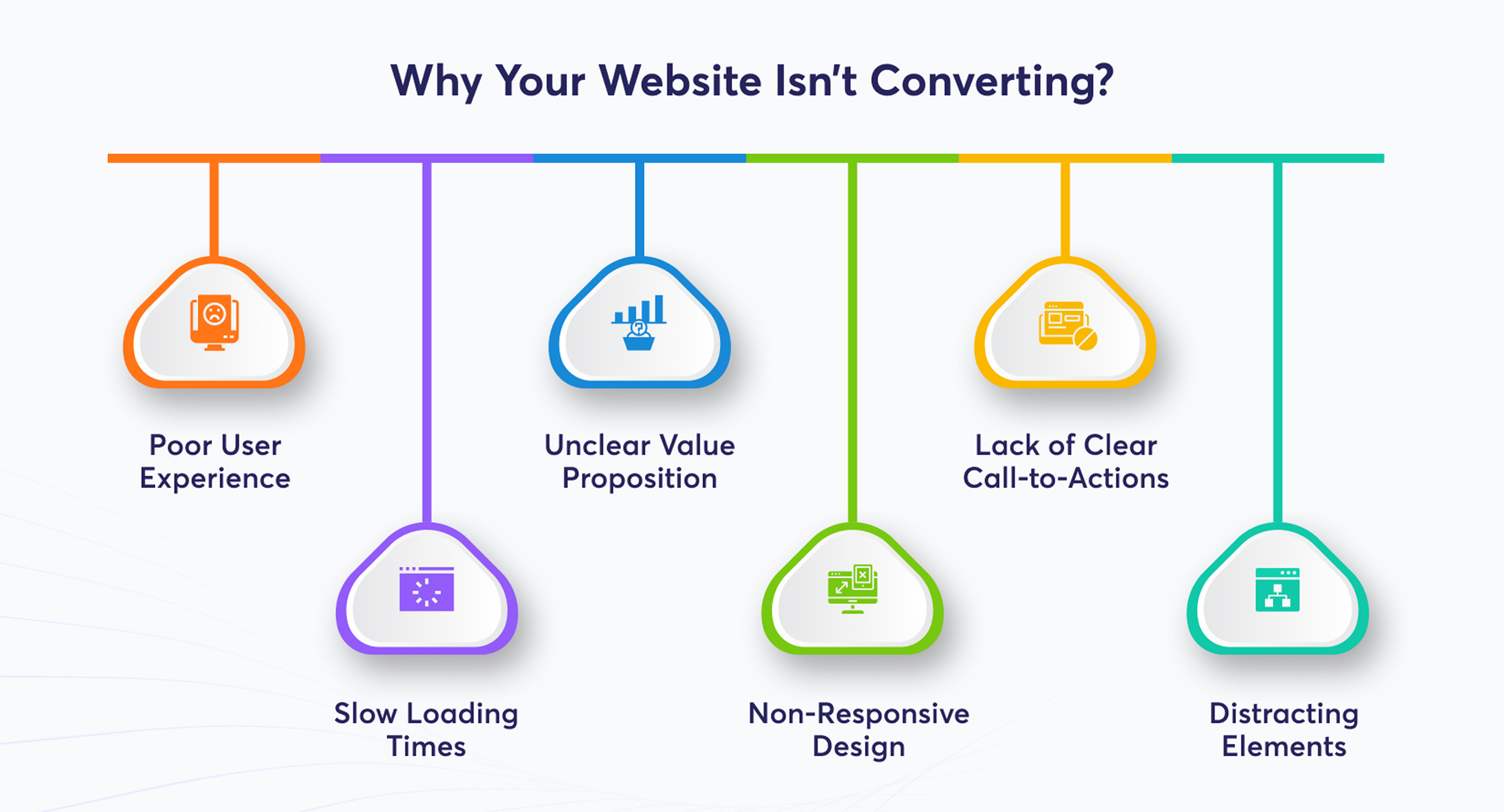
Many startup websites fail not because of poor products, but because of poor communication, weak user experiences, and unnecessary friction.
The most successful websites focus on clarity, trust, usability, and user intent. Rather than trying to impress visitors with complexity, they prioritize simplicity and effectiveness.
Conversion optimization is not about manipulating users - it's about helping them make confident decisions with minimal effort.
Startups that understand this principle are far more likely to turn visitors into customers and customers into advocates.