July 7, 2026
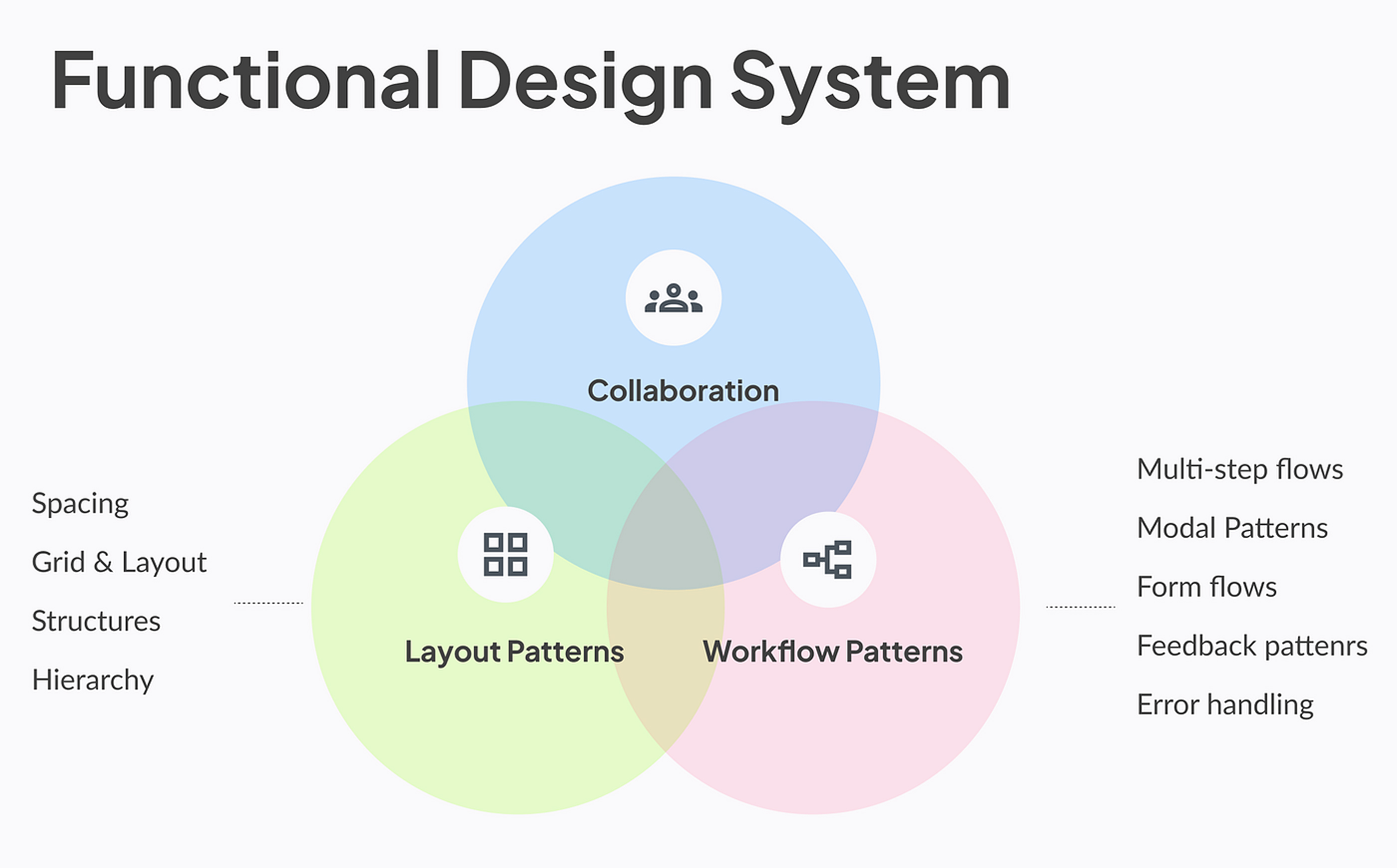
As digital products continue to grow in complexity, maintaining consistency across interfaces, platforms, and teams has become increasingly challenging. Design systems have emerged as a strategic solution, enabling organizations to create scalable, cohesive, and efficient product experiences.
What began as simple UI style guides has evolved into comprehensive systems that connect design, development, branding, and product strategy. Today, design systems are considered essential infrastructure for modern product teams.
This article explores the evolution of design systems, their impact on organizational workflows, and why leading companies invest heavily in building and maintaining them.
A design system is a collection of reusable components, standards, guidelines, and principles that help teams design and develop products consistently.
A modern design system typically includes:
Colors
Typography
Spacing
Layout principles
Grid systems

Buttons
Forms
Cards
Navigation
Modals
Tables
Usage guidelines
Accessibility standards
Design principles
Best practices
Code components
Design tokens
API references
Frontend frameworks
A design system serves as a single source of truth for the entire product organization.
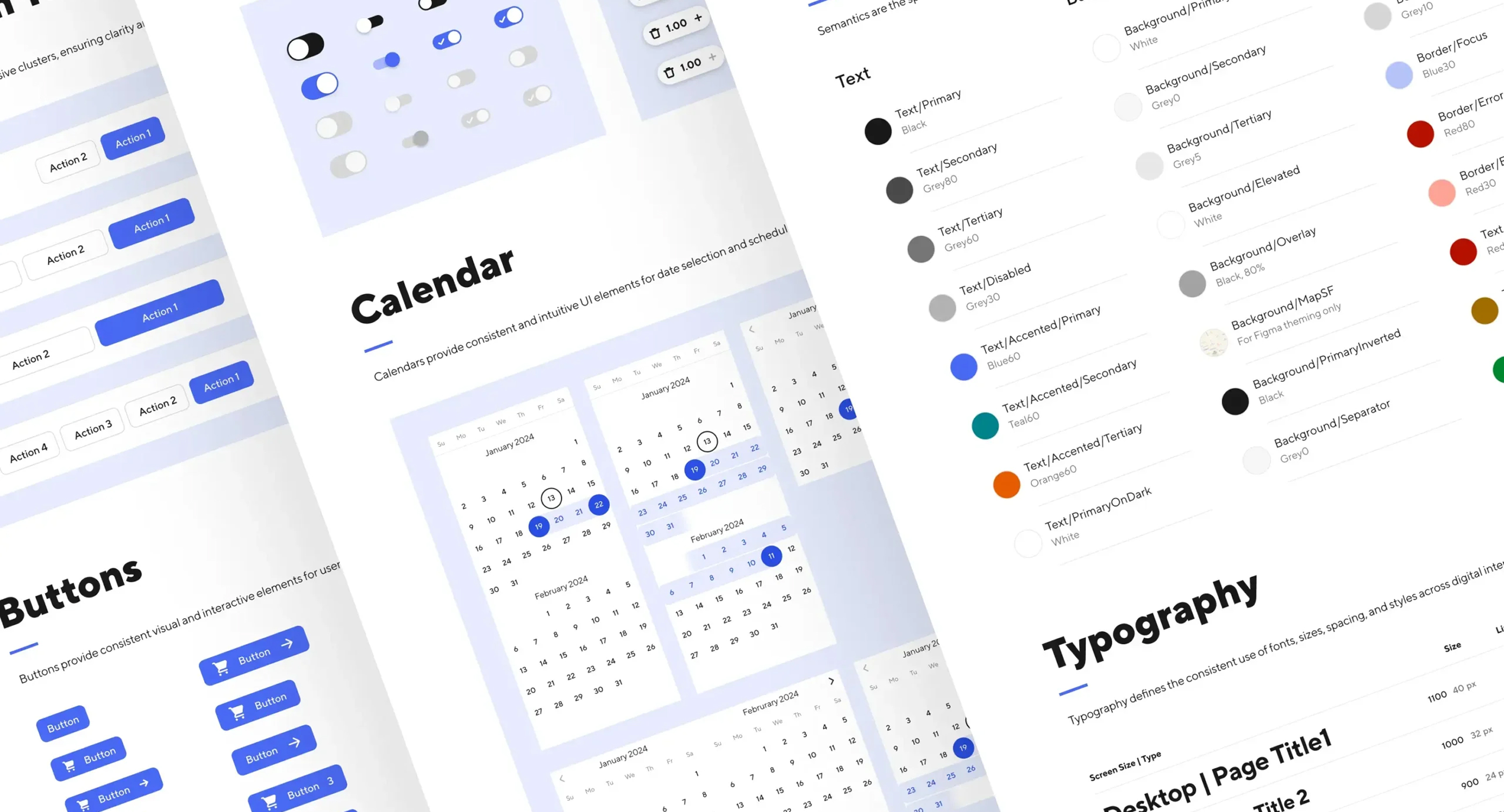
The rise of modern product design introduced a new way of thinking.
Instead of designing screens individually, teams began creating reusable interface components.
Buttons
One button component could be reused across dozens of pages.
Forms
Consistent input fields improved usability and development efficiency.
Navigation Systems
Shared navigation patterns reduced user confusion.
This shift dramatically improved consistency and reduced repetitive work.
Design systems have evolved from static style guides into strategic product infrastructure. They enable organizations to scale design and development efforts while maintaining consistency, efficiency, and quality.
As products become more complex and teams become more distributed, the importance of design systems will continue to grow. Companies that invest in scalable systems today position themselves for faster innovation, stronger collaboration, and better user experiences tomorrow.
In modern product organizations, design systems are no longer optional—they are a competitive advantage.