July 7, 2026
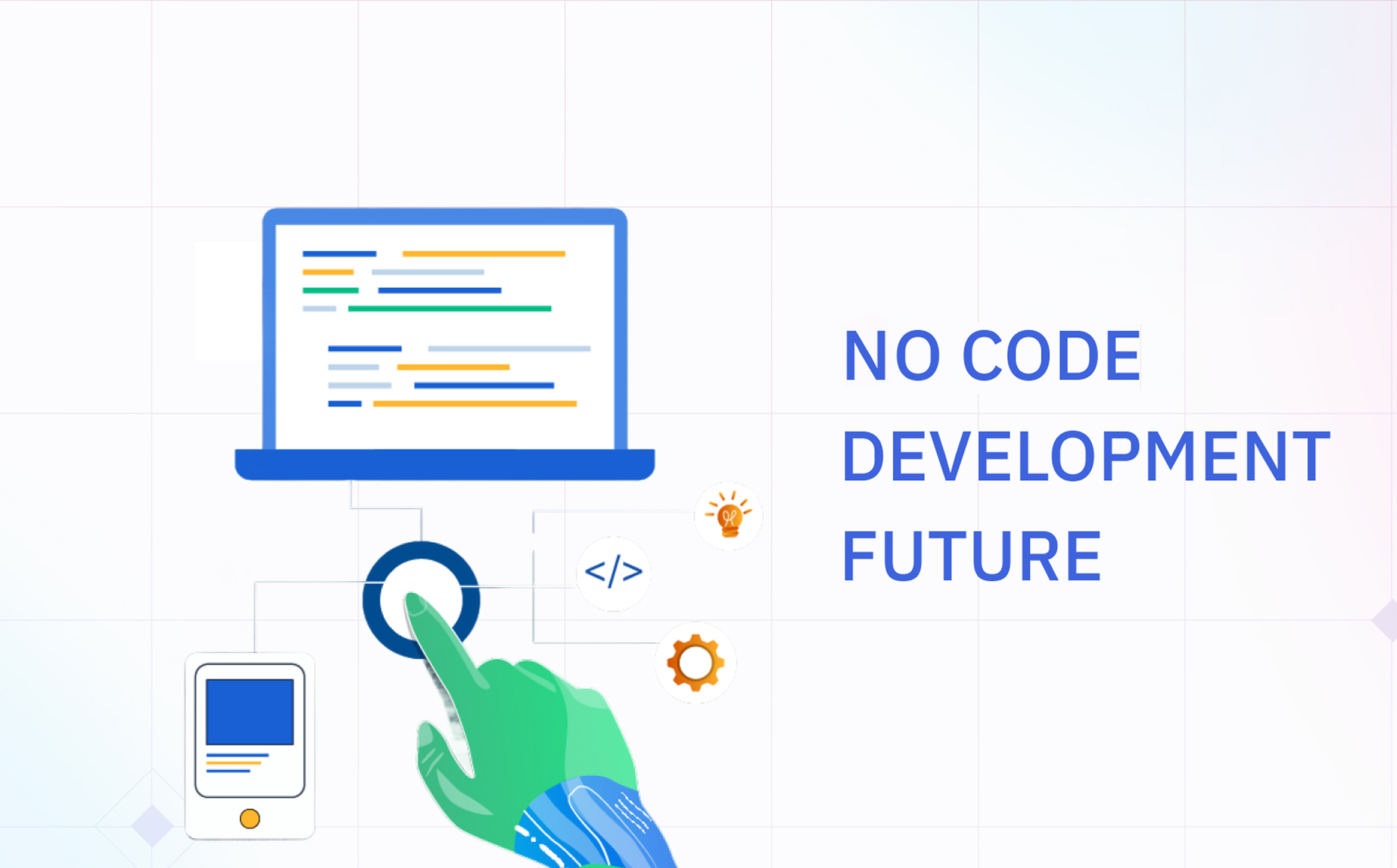
No-code development has evolved from a niche movement into a transformative force within the digital product industry. What began as a way for non-technical users to build simple websites has grown into an ecosystem capable of powering startups, SaaS platforms, internal business tools, marketing websites, e-commerce experiences, and enterprise solutions.
Platforms such as Webflow, Bubble, Framer, Airtable, Glide, and Zapier have dramatically reduced the technical barriers traditionally associated with software development. Businesses can now validate ideas, launch products, automate workflows, and scale digital experiences faster than ever before.
This article explores the evolution of no-code development, examines its impact on businesses and product teams, and analyzes how no-code platforms are reshaping the future of innovation.
No-code development refers to the process of building digital products through visual interfaces without writing traditional code.
Drag-and-drop builders
Visual workflows
Pre-built components
Automation tools
Configuration settings
The goal is to make product creation more accessible and efficient.
The no-code movement has progressed significantly over the last decade.
Static pages
Basic content management
Personal websites
Reduced support costs
Stronger customer satisfaction
Responsive websites
Dynamic content
Membership systems
E-commerce functionality
Business automation

Several factors have accelerated adoption.
Increased Demand for Digital Products
Businesses require digital solutions faster than ever before.
Developer Shortages
Technical talent remains expensive and highly competitive.
Faster Product Validation
Startups need efficient ways to test ideas.
Reduced Development Costs
Visual tools significantly lower entry barriers.
Business Agility
Organizations can adapt more quickly to changing market conditions.
The ultimate objective is to help users realize value as quickly as possible.
No-code development represents one of the most significant shifts in the digital product industry since the rise of responsive web design and cloud-based software.
By lowering technical barriers, accelerating product development, and empowering non-technical creators, no-code platforms are enabling a new generation of innovation.
While traditional development will remain essential for complex systems and enterprise-scale solutions, no-code tools are becoming increasingly capable of handling a wide range of digital products and business needs.
The future is unlikely to be code versus no-code. Instead, it will be a collaborative ecosystem where designers, developers, marketers, founders, and AI-powered tools work together to create better products faster than ever before.
Organizations that embrace this shift strategically will be better positioned to innovate, compete, and grow in the years ahead.