July 7, 2026

User Experience (UX) Design is often viewed as a creative discipline focused on improving aesthetics and usability. However, in today's competitive digital landscape, UX has become a critical business investment that directly influences revenue, customer retention, operational efficiency, and long-term growth.
Organizations that prioritize UX consistently outperform competitors by reducing friction, improving customer satisfaction, and creating products that users genuinely enjoy using. While the benefits of UX may seem intangible at first glance, numerous studies and industry examples demonstrate measurable returns on UX investments.
This report explores the business value of UX design, examines its impact across key performance indicators, and provides evidence-based insights into why UX should be considered a strategic business asset rather than a design expense.
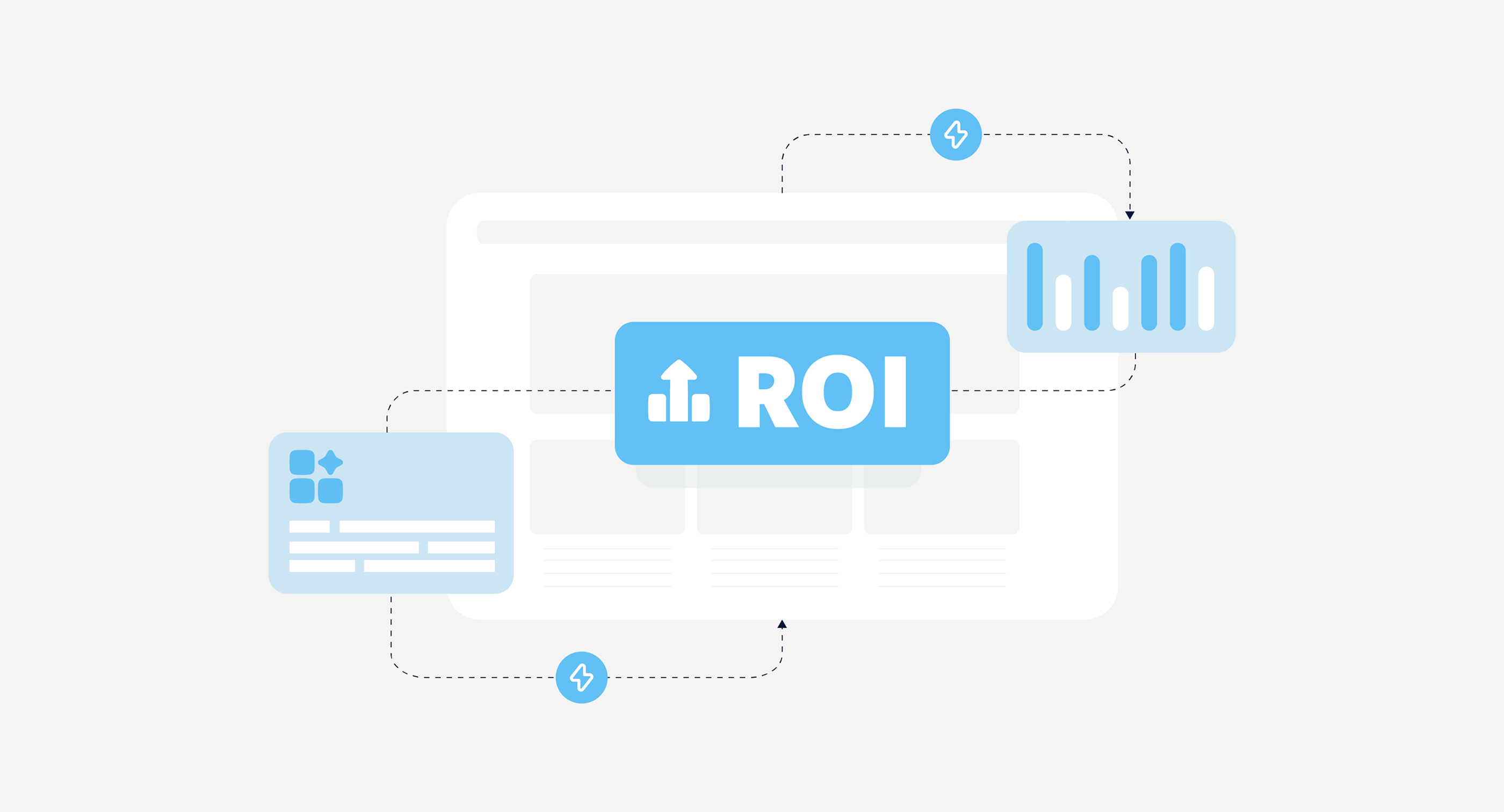
Return on Investment (ROI) measures the value generated relative to the resources invested.
Revenue
Higher conversions and increased customer spending.
Efficiency
Reduced support costs and faster task completion.
Retention
Stronger customer loyalty and lower churn rates.
Productivity
Improved internal workflows and team performance.
Customer Satisfaction
Better user experiences resulting in positive brand perception.
Users rarely distinguish between a product and the experience of using it.
Confusing interfaces
Slow performance
Poor navigation
Complex workflows
they often perceive the entire business negatively.
Conversely, intuitive experiences create trust, confidence, and engagement.
UX influences every stage of the customer journey.

Acquiring new customers is significantly more expensive than retaining existing ones.
UX plays a major role in customer retention.
The evidence is clear: UX design delivers measurable business value.
Organizations that invest in user experience consistently achieve improvements in conversion rates, customer retention, operational efficiency, and overall business performance. While the visual aspects of UX often receive the most attention, the true value lies in creating experiences that help users accomplish their goals effortlessly.
In an increasingly competitive digital marketplace, UX is no longer a luxury or optional enhancement. It is a strategic investment that directly influences business success.
Companies that prioritize user experience today position themselves for stronger growth, greater customer loyalty, and sustainable competitive advantage in the future.