July 7, 2026
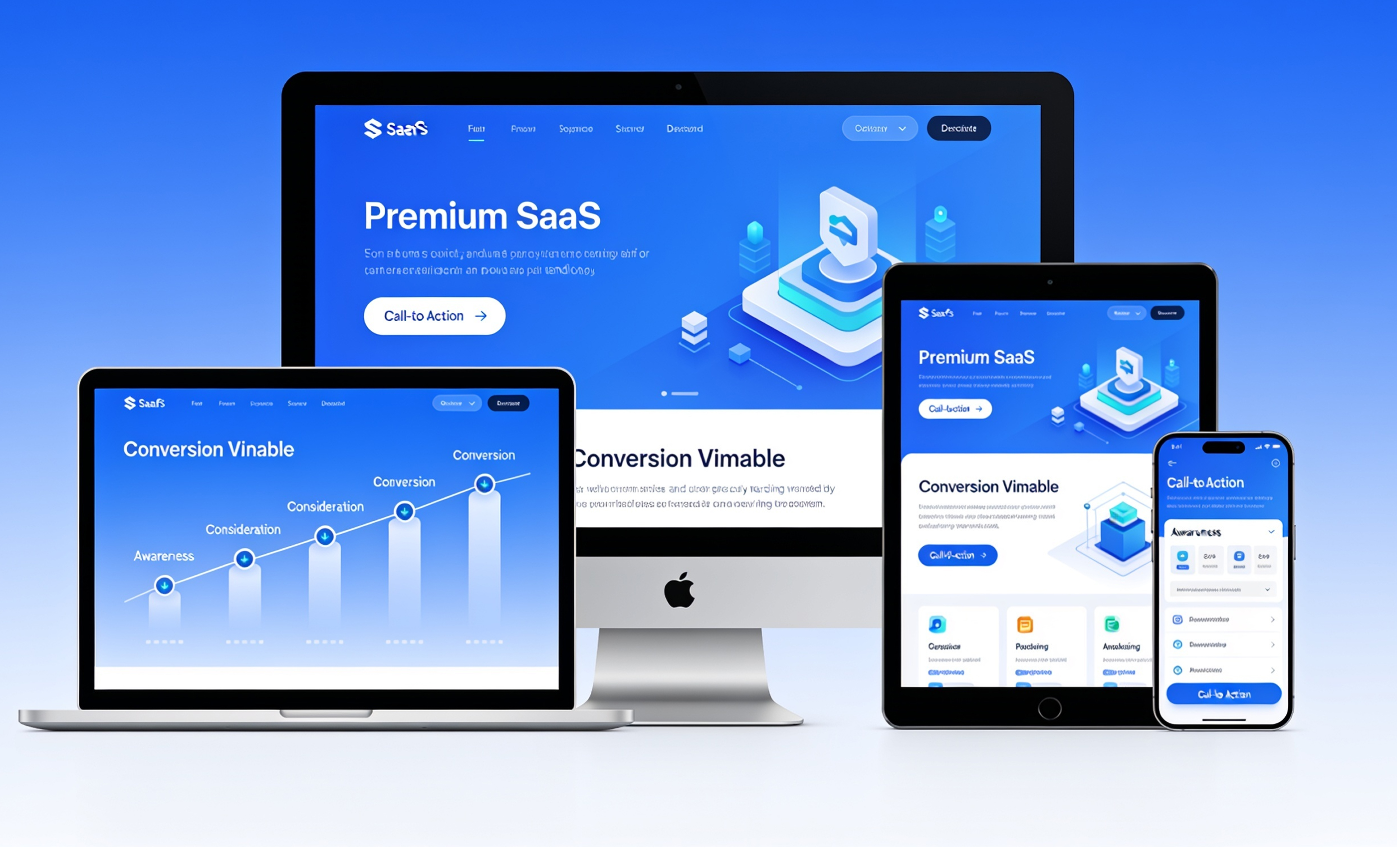
Landing pages play a critical role in modern digital marketing. Whether the goal is generating leads, selling products, booking consultations, or promoting software, a landing page often determines whether a visitor becomes a customer.
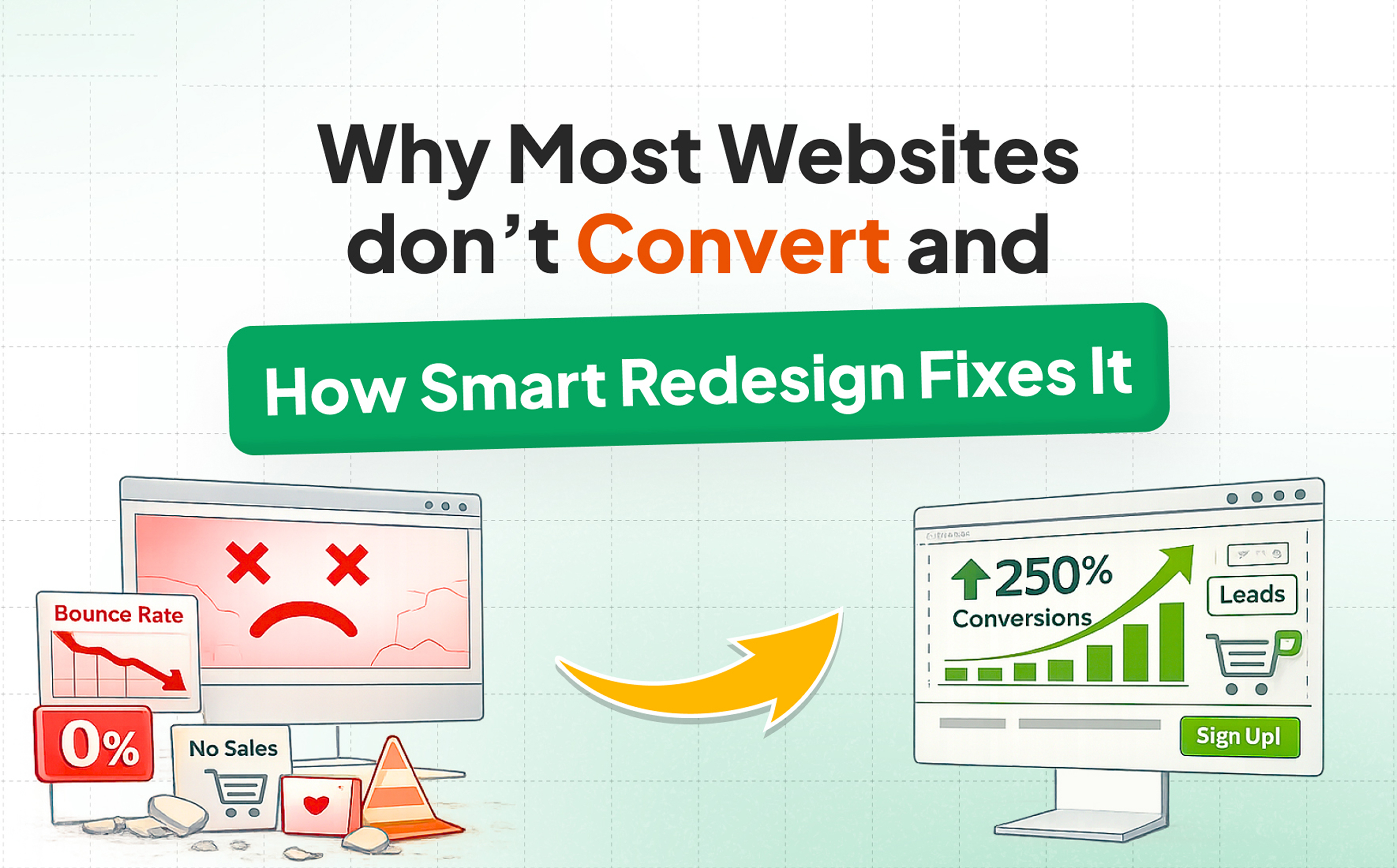
Despite their importance, many landing pages fail because they focus too heavily on visual design while neglecting user psychology, messaging clarity, trust-building, and conversion strategy.
The highest-performing landing pages are not simply attractive—they are intentionally designed to guide visitors toward action through a combination of psychology, usability, persuasive content, and strategic design.
This article explores the science behind effective landing pages and reveals the key principles that consistently drive higher conversion rates.
A landing page is a focused webpage designed to encourage a specific action.
Unlike traditional websites, landing pages typically have a single objective.
Demo requests
Contact submissions
Consultation bookings
Purchases
Subscriptions
Trial registrations
Webinar signups
Conference registrations
Workshop attendance
Every element on the page should support the primary conversion goal.
Before designing a landing page, it is important to understand how users make decisions.
Attention
What captures interest?
Trust
Is the offer credible?
Motivation
What problem is being solved?
Friction
What obstacles prevent action?
Landing pages that address these factors consistently perform better.

Effective landing pages are not built around assumptions - they are built around human behavior.
The most successful pages combine psychology, usability, persuasive communication, and strategic design to create experiences that feel effortless and trustworthy.
Rather than overwhelming users with information, they guide visitors toward confident decisions through clarity, relevance, and simplicity.Understanding the science behind landing pages allows businesses to create experiences that not only attract attention but also convert visitors into customers
.In today's competitive digital environment, conversion-focused design is no longer optional - it is a business necessity.