July 7, 2026

Website performance is often viewed as a technical concern reserved for developers and engineers. However, modern research consistently demonstrates that performance is fundamentally a user experience issue.
Users expect websites and applications to load instantly, respond immediately, and operate smoothly across all devices. When performance falls short, users experience frustration, lose trust, and frequently abandon the experience altogether.
This report explores the relationship between website performance and user experience, examining how loading speed, responsiveness, visual stability, and technical optimization directly influence user behavior, customer satisfaction, and business outcomes.
Website performance refers to how quickly and efficiently a website loads, renders content, and responds to user interactions.
Loading Speed
How quickly a page becomes usable.
Responsiveness
How fast the website reacts to user actions.
Visual Stability
Whether page elements remain stable while loading.
Technical Efficiency
How effectively resources are delivered to users.
Together, these elements shape a user's perception of quality.
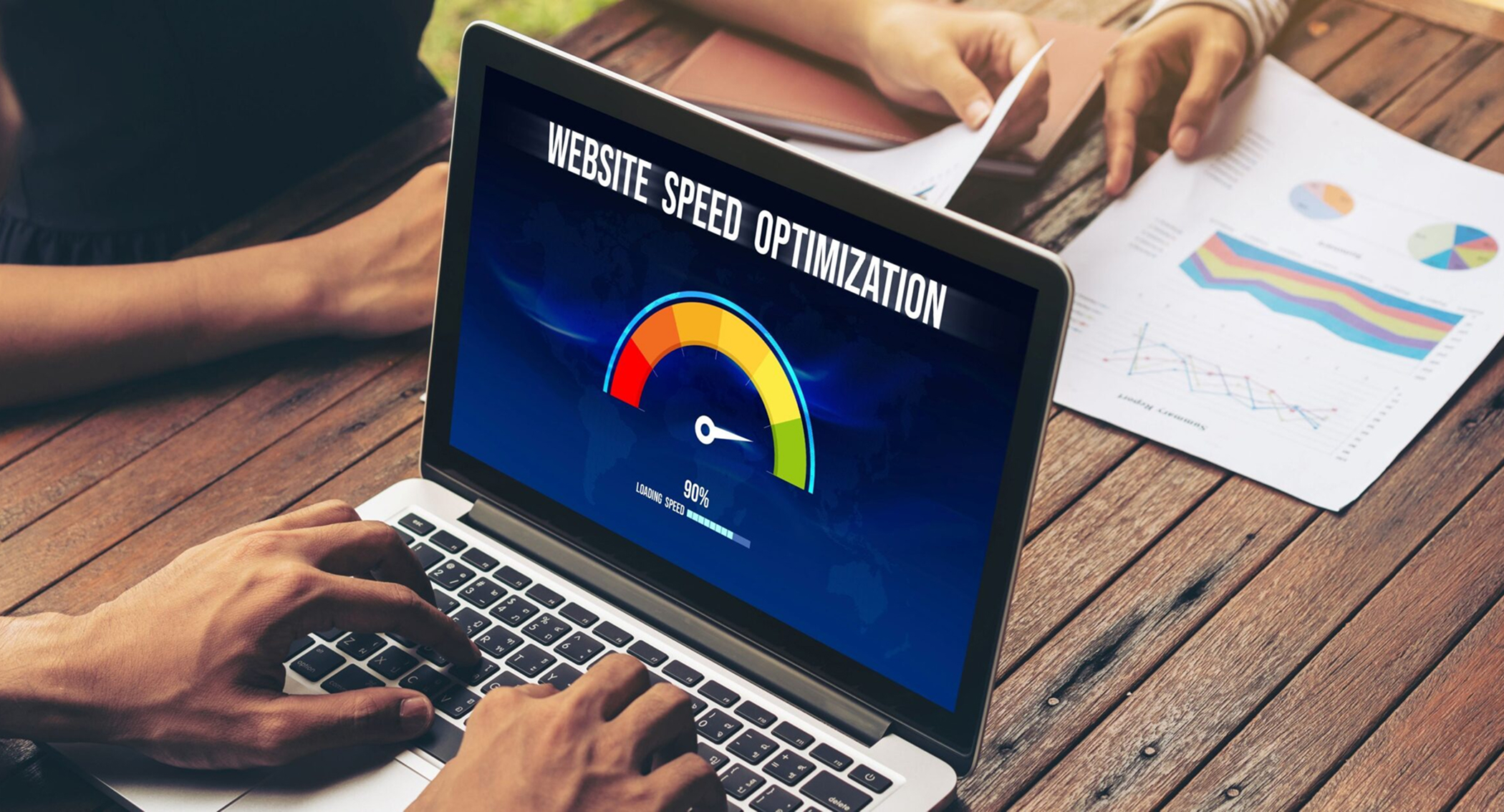
When a page loads slowly, users often experience:
Uncertainty
Did the page load correctly?
Frustration
Why is this taking so long?
Distrust
Can I rely on this company?
Abandonment
Users leave before engaging.
Landing pages that address these factors consistently perform better.
Interestingly, user perception can be as important as actual speed.
Skeleton screens
Loading indicators
Progressive loading
can improve perceived responsiveness.

Website performance and user experience are inseparable. Users do not distinguish between design quality and technical performance-they experience both as a single product.
A visually stunning website that loads slowly creates frustration. Conversely, a fast and responsive experience builds trust, encourages engagement, and improves business outcomes.
As user expectations continue to rise, performance will remain one of the most important factors influencing digital success. Organizations that prioritize speed, responsiveness, and reliability will be better positioned to attract, engage, and retain users in an increasingly competitive marketplace.
Performance is not merely a technical advantage-it is a user experience advantage.